
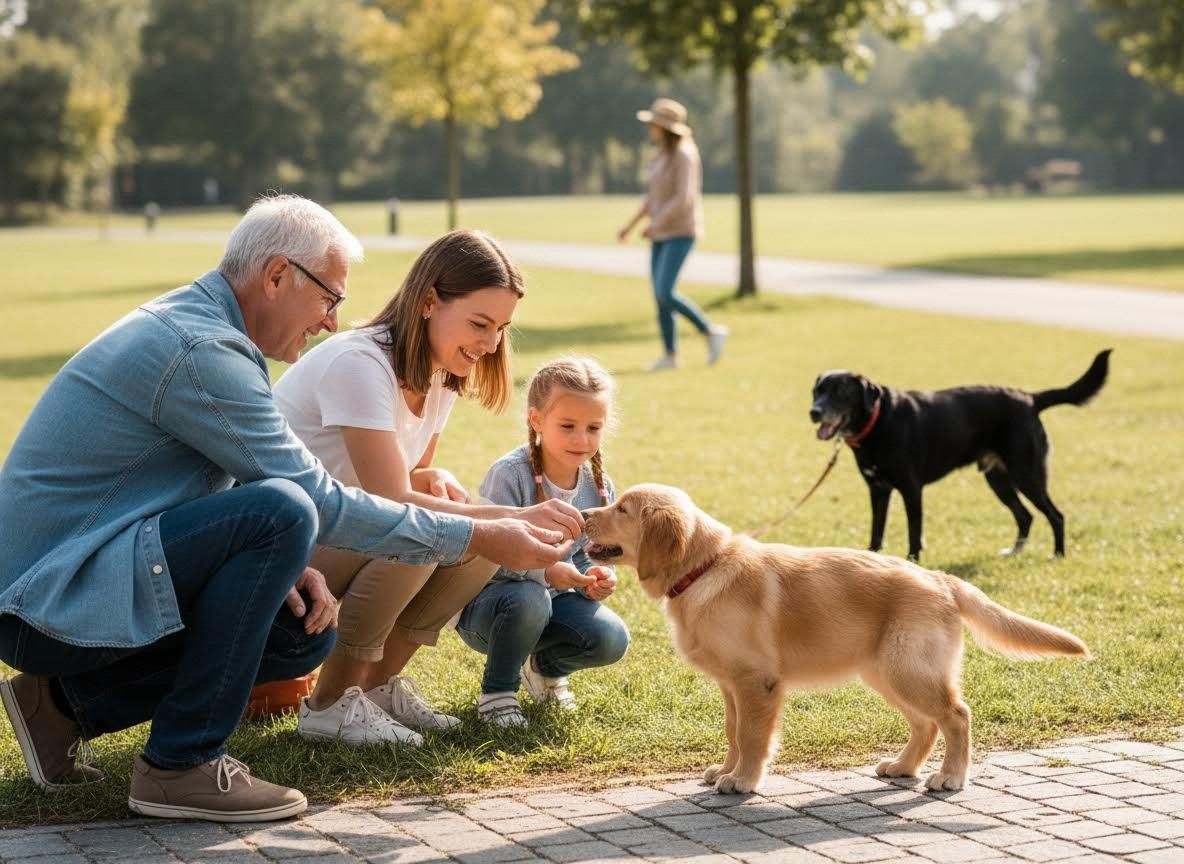
Bringing a new puppy into your home is an exciting time, filled with cuddles, playtime, and the promise of a lifelong bond. Beyond basic training, early socialization is one of the most critical steps you can take to ensure your puppy grows into a confident, well-behaved, and happy adult dog, setting the foundation for their future interactions and overall well-being. At Rob Cary Pet Resort, we understand the profound impact these early experiences have on your beloved companion.
The Critical Window for Puppy Socialization
A puppy's most formative period for socialization is generally between 3 to 16 weeks of age. During this time, they are highly receptive to new experiences and stimuli. Positive exposure to different sights, sounds, people, and other friendly animals during this crucial window helps them develop resilience and adaptability. Without adequate socialization, puppies may grow into fearful or anxious adults, potentially leading to behavioral issues that are more challenging to address later on. Investing time and effort now can prevent countless problems down the line, ensuring your dog can navigate the world with confidence and joy.
Beyond "Meeting Other Dogs": What Socialization Truly Means
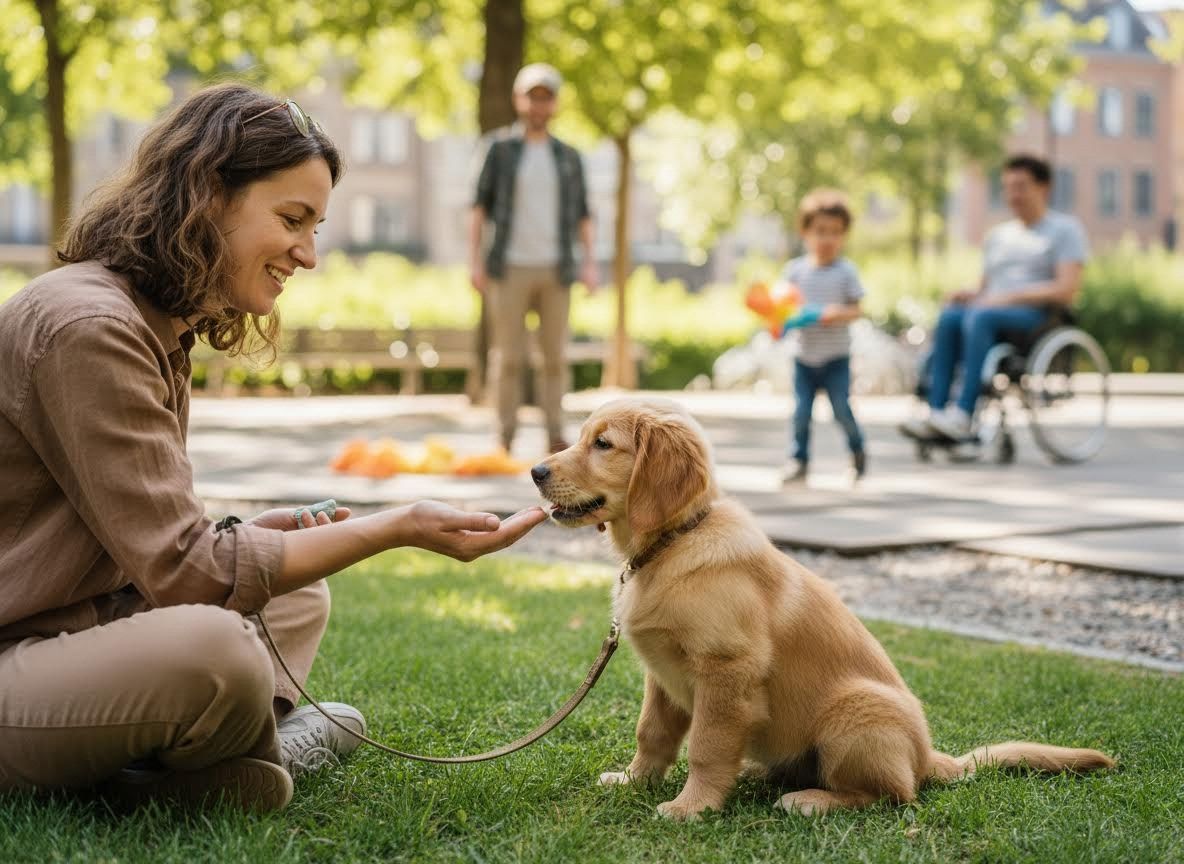
Many people mistakenly believe socialization simply means letting their puppy play with other dogs. While interaction with other canines is certainly a part of it, comprehensive socialization encompasses much more. It involves introducing your puppy, in a controlled and positive manner, to a wide variety of novel experiences. This includes different types of people (men, women, children, people with hats or glasses), various environments (parks, quiet streets, car rides), diverse sounds (vacuum cleaners, doorbells, traffic), and different surfaces (grass, pavement, carpet). The key is to make each exposure a positive one, often accompanied by treats and praise, so your puppy associates new things with good feelings.
Practical Steps for Effective Socialization
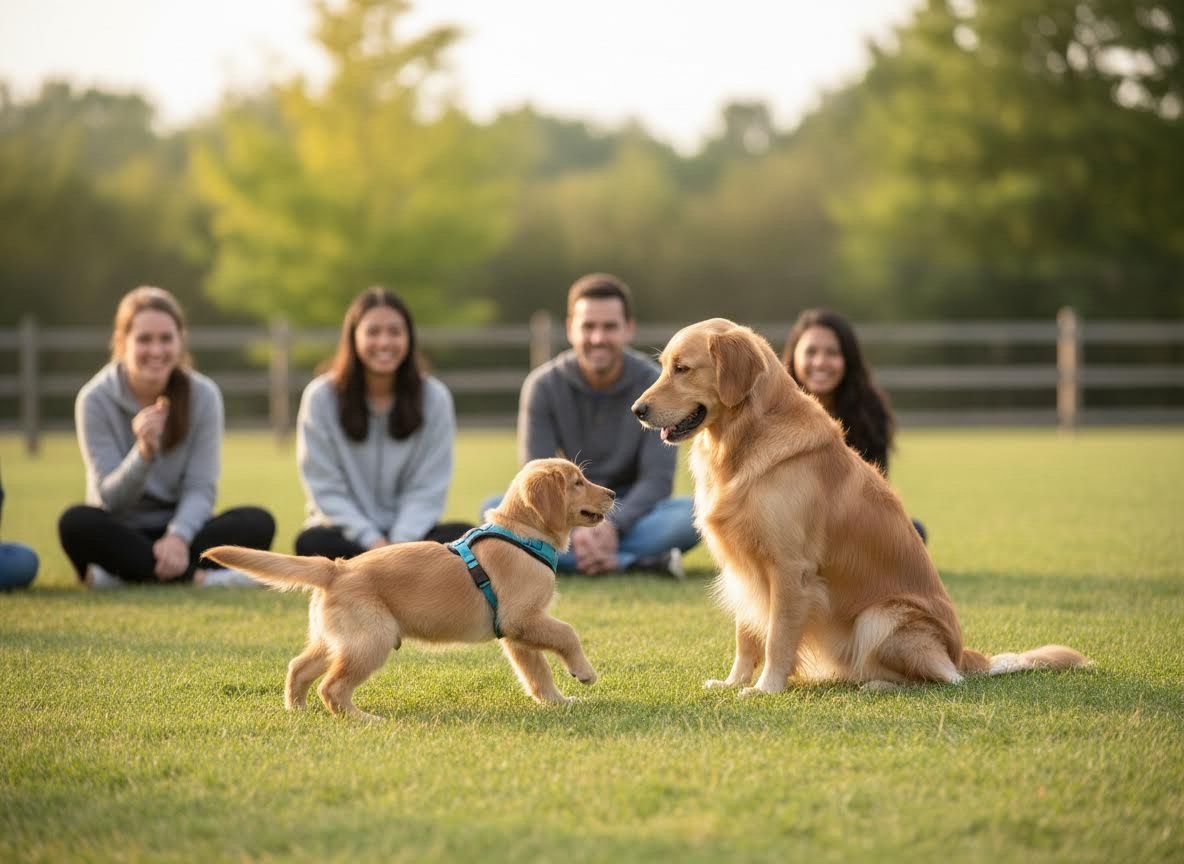
Beginning socialization safely and effectively involves several key practices. Firstly, consider enrolling your puppy in well-structured puppy classes. These classes provide a controlled environment for puppies to interact with each other under expert supervision, helping them learn appropriate canine social cues. Such dog training classes also offer invaluable guidance for owners on positive reinforcement techniques. Beyond classes, organize safe, supervised playdates with vaccinated, friendly dogs known to be good with puppies. Gradually introduce your puppy to different people, ensuring interactions are gentle and rewarding. Take them for short, positive car rides, expose them to various household noises, and handle their paws, ears, and mouth regularly to make future grooming and vet visits less stressful.
To truly thrive, puppies need consistent, positive exposure during their developmental stages. Understanding and implementing effective socialization strategies lays the groundwork for a lifetime of companionship and reduces the likelihood of anxiety or fear-based behaviors in the future. We encourage all pet parents to explore local resources, such as specialized dog training classes and reputable pet resort options, to support your puppy's ongoing growth. To learn more about how to nurture a well-adjusted dog, we invite you to explore educational resources on canine behavior and development.