
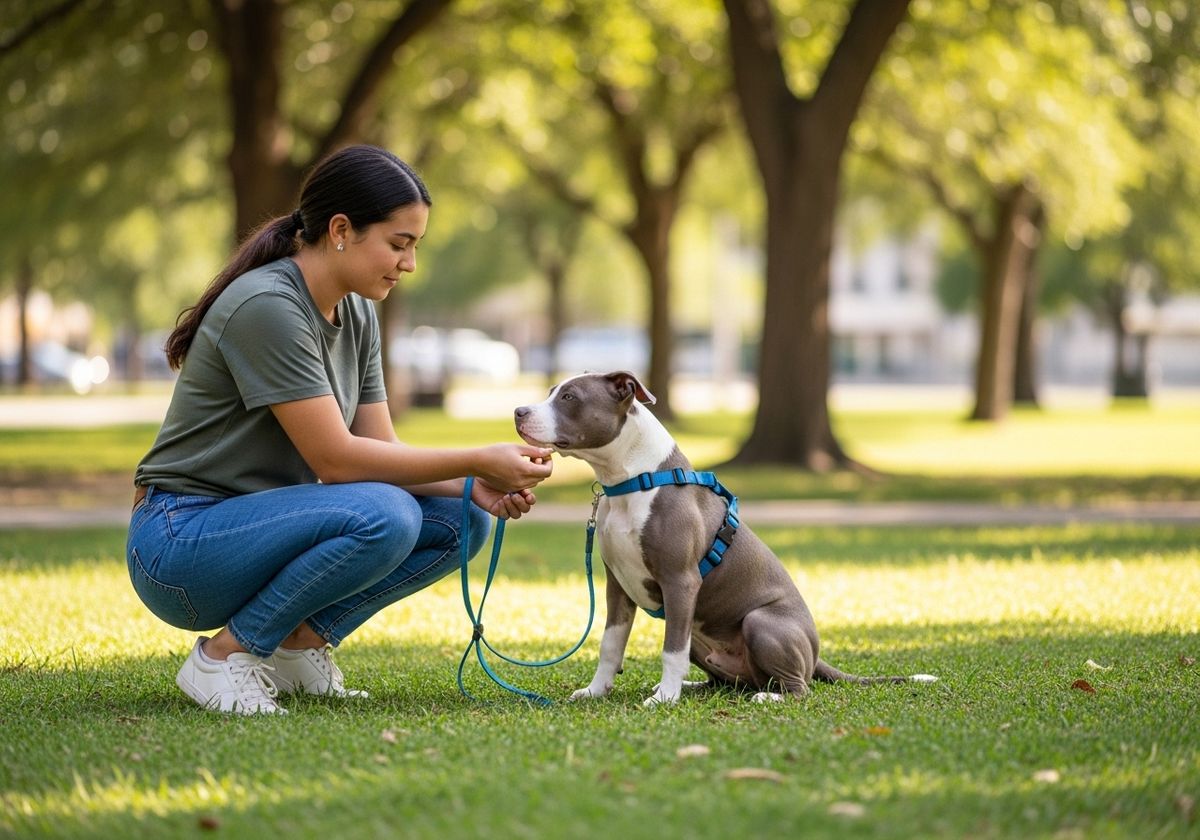
Leash training is a crucial step in raising a confident, well-behaved dog—especially when navigating a vibrant city like San Antonio. A polite walker isn't just safer; they're ready to join you on every adventure. At Rob Cary Pet Resort, our expert trainers have spent over 40 years helping pet parents master the art of the walk. Whether you are starting fresh with a new puppy or correcting a dog that loves to pull, this guide provides the essential tips you need for stress-free, enjoyable outings with your furry best friend.
Why Leash Training Matters
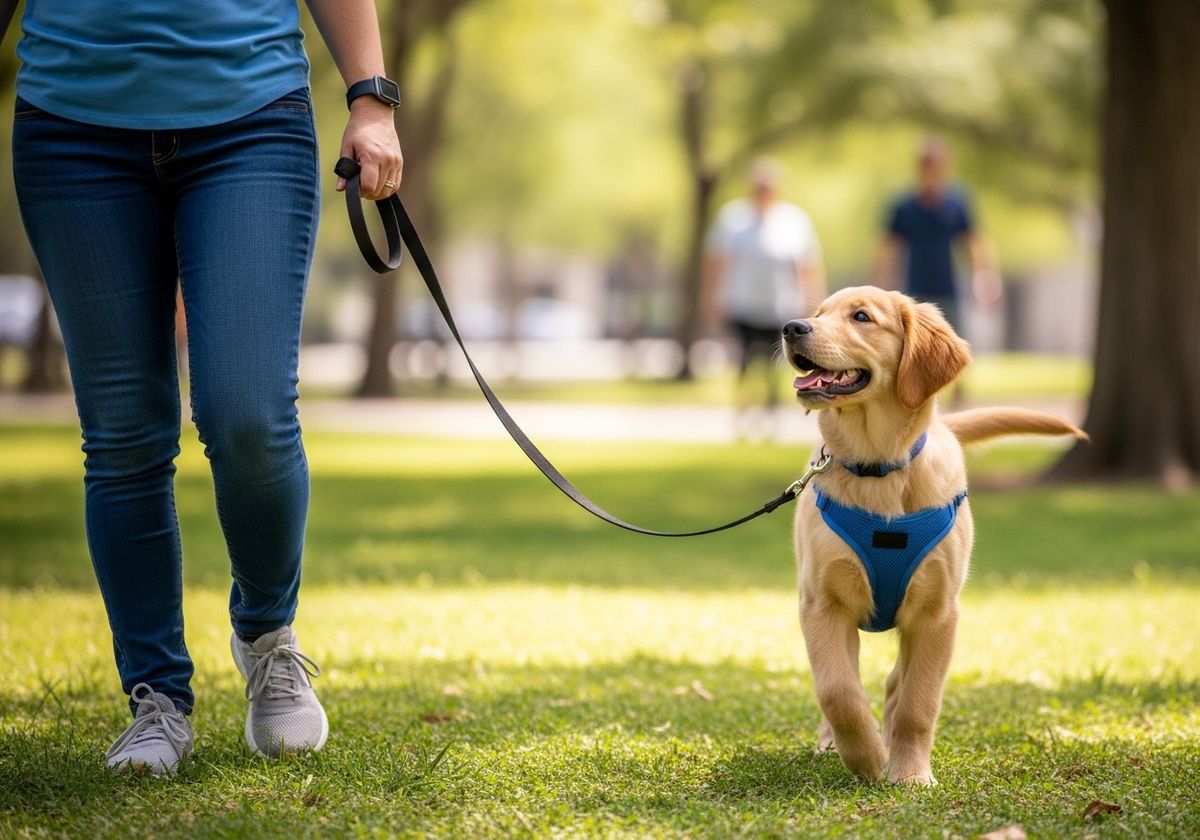
Leash training is more than just teaching your dog to walk on a leash; it's about building a strong bond and establishing clear communication. A well-leashed dog is a safe dog, less likely to dart into traffic or chase after distractions. Effective leash training also prevents pulling, lunging, and other unwanted behaviors that can make walks a frustrating experience. Moreover, proper leash manners are essential for enjoying San Antonio's many dog-friendly parks and trails.
Getting Started: The Right Equipment
Choosing the right equipment is the first step toward successful leash training. Opt for a lightweight, comfortable leash – typically 4-6 feet in length – and a well-fitting harness or collar. Harnesses are often recommended for puppies and small breeds as they distribute pressure more evenly and reduce the risk of neck injuries. Avoid retractable leashes during training, as they can encourage pulling and provide less control.
Basic Leash Training Techniques
Introduce the Leash and Collar/Harness: Let your puppy wear the collar or harness for short periods inside the house to get them accustomed to it. Attach the leash and allow them to drag it around under supervision.
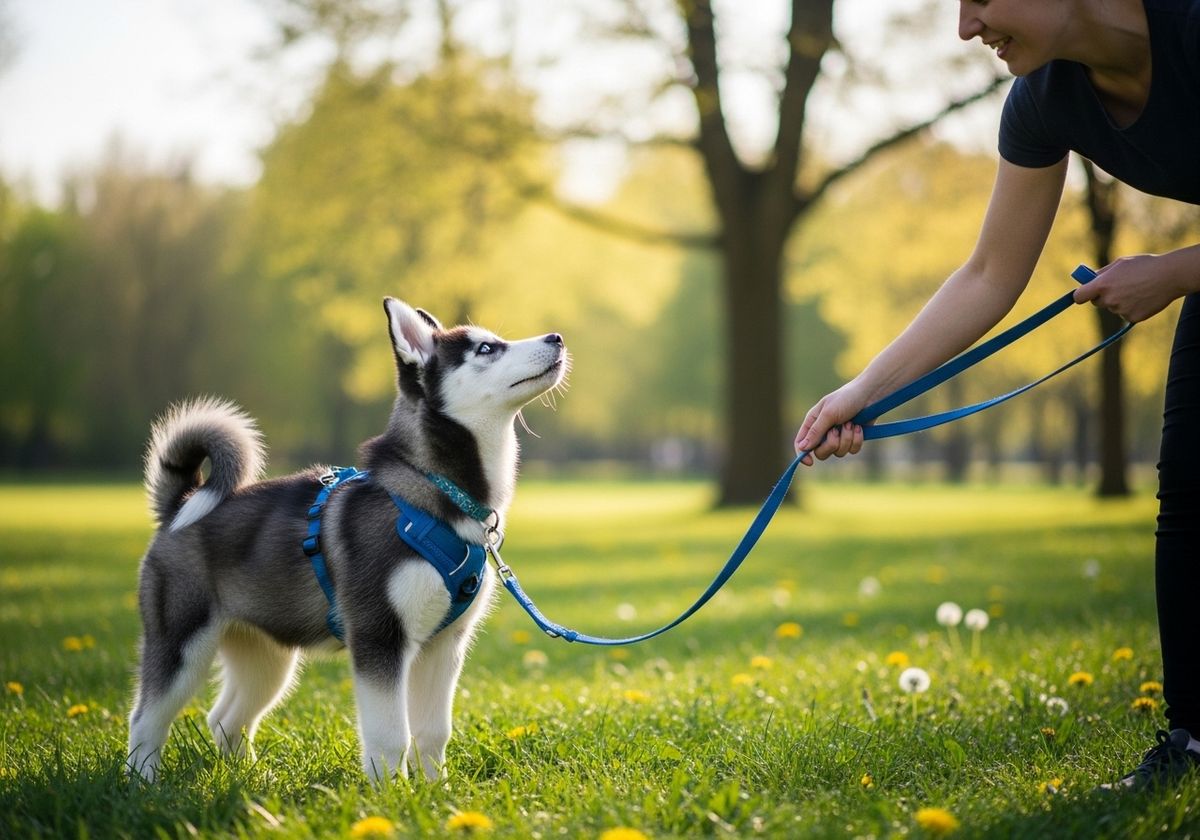
Positive Reinforcement: Use treats, praise, or toys to reward your puppy for good behavior. When they walk nicely by your side, offer immediate positive reinforcement.
Start Indoors: Begin training in a quiet, distraction-free environment like your living room or backyard. Practice walking a few steps with the leash on, rewarding your puppy for staying close.
Gradually Introduce Outdoor Environments: Once your puppy is comfortable indoors, gradually introduce outdoor environments with increasing levels of distraction. Start with quiet streets and parks, and gradually progress to busier areas.
Change Directions: Keep your puppy engaged by frequently changing directions. This encourages them to pay attention to you and follow your lead.
Address Pulling: If your puppy starts to pull, stop walking and wait for them to stop pulling before continuing. You can also try changing direction or using a gentle tug on the leash to redirect their attention.
Addressing Common Leash Training Challenges
Excitement and Distractions: Puppies are easily excited and distracted, especially in new environments. Keep training sessions short and focused, and gradually increase the level of distraction as your puppy progresses.
Fear and Anxiety: Some puppies may be fearful or anxious about wearing a leash or going outside. Take things slowly and create positive associations with the leash and outdoor environments.
Consistency is Key: Consistency is essential for successful leash training. Practice regularly, even if it's just for a few minutes each day, and use the same commands and techniques every time.
Mastering leash training takes time, consistency, and patience—but you don't have to do it alone! If you are still struggling with a dog that pulls, lunges, or refuses to walk, the professional trainers at Rob Cary Pet Resort are here to help. From basic puppy training to advanced dog obedience classes, we provide the expert guidance you need to build a strong foundation. Contact us today to enroll your pup and turn those frustrating walks into peaceful strolls around San Antonio!